

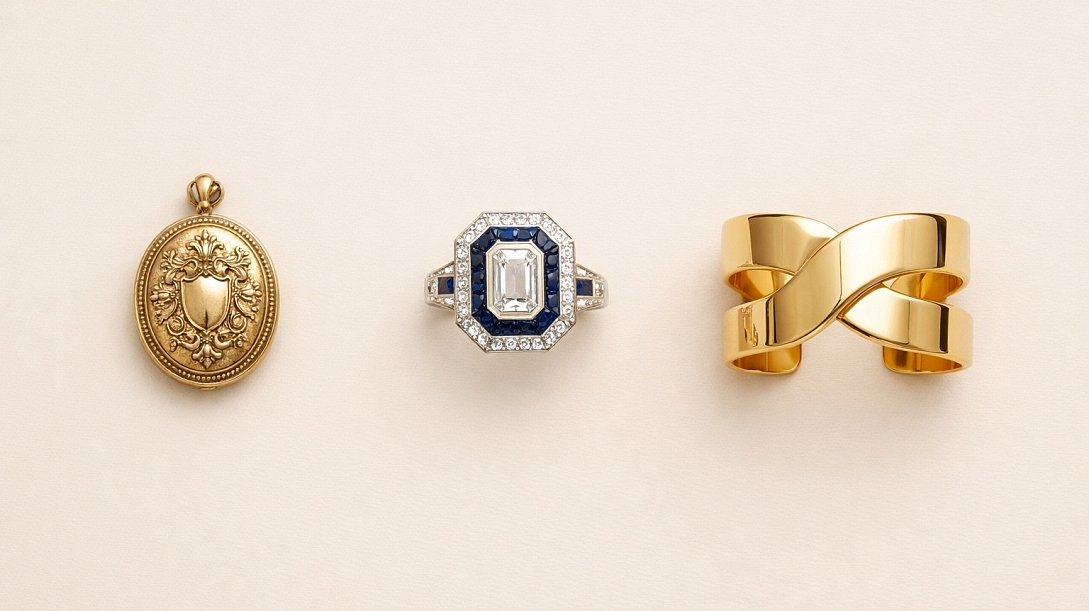
Vintage vs. Antique vs. Estate Jewellery: What's the Difference?
You see the words all the time: vintage, antique, estate. They sound fancy and old. But what do they actually mean? Is that beautiful ring from the 1920s an antique? Is a piece from the 1980s now considered vintage? And what if it was owned by someone else first—does that make it estate?
These terms are not the same. Using them correctly helps you understand what you are buying, its potential value, and its place in history. Knowing the difference is the first step to becoming a smart jewellery lover.
The Quick Answer
- Antique Jewellery: Must be at least 100 years old. Think Victorian, Edwardian, and Art Nouveau eras.
- Vintage Jewellery: Typically refers to pieces that are at least 20-30 years old but less than 100. This covers many 20th-century styles like Art Deco, Retro, and Mid-Century Modern.
- Estate Jewellery: This is a broad term for any piece of previously owned jewellery, regardless of its age. It can be antique, vintage, or modern.
Breaking Down the Definitions
Let's look at each term in detail. Age is the most important factor for the first two.
What is Antique Jewellery?
The definition is strict. For jewellery to be officially called antique, it must be 100 years old or older.
This is not a random rule. It is a standard used by museums, auction houses, and serious collectors worldwide. As of 2024, this means any piece made in 1924 or earlier.
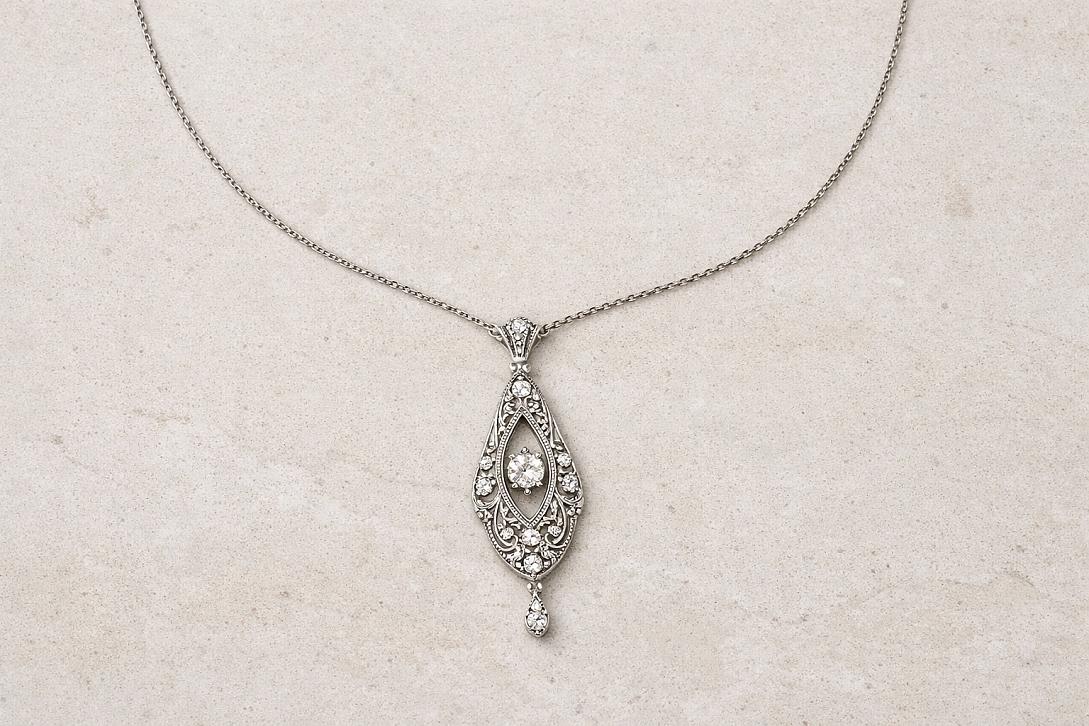
Antique jewellery represents specific historical periods and their styles:
- Georgian (1714-1837): Rare to find. Often features hand-worked gold, silver, and gems like garnet or diamond. Designs are intricate and symbolic.
- Victorian (1837-1901): Divided into Early, Mid, and Late periods. Can be romantic with snakes and flowers, or somber with jet and onyx for mourning jewellery.
- Art Nouveau (1890-1910): Features flowing, organic lines. Designs include women with flowing hair, butterflies, dragonflies, and flowers. Often uses enamel and opals.
- Edwardian (1901-1915): Known for elegance and lightness. Plenty of platinum, diamonds, and lace-like filigree work. Looks delicate and airy.
Key Characteristics:
- Handcrafted: Made before widespread mechanization. You might see file marks or slight imperfections, which add to its charm.
- Old Cut Stones: Diamonds are often Old European or Old Mine cuts. These have a different faceting pattern than modern brilliant cuts, giving them a soft, romantic sparkle.
- Specific Materials: May use materials like gutta-percha (a type of rubber) or bog oak. Platinum became popular in the Edwardian era.
What is Vintage Jewellery?
The term vintage is a bit more flexible. It generally describes a piece that is at least 20 to 30 years old but not yet 100 years old.
This category captures the iconic jewellery styles of the 20th century. It is a huge and popular category because it encompasses so many distinct design eras.
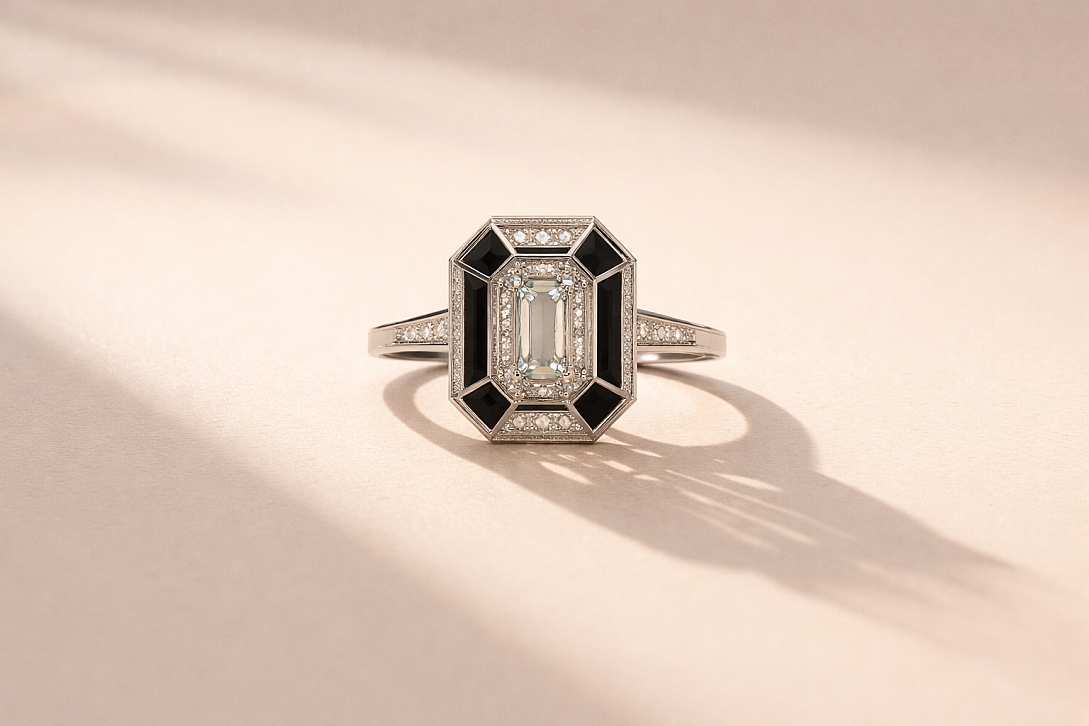
Major Vintage Periods:
- Art Deco (1920s - 1930s): Perhaps the most famous vintage style. Defined by geometric shapes, bold colors, and symmetry. Think emerald-cut diamonds, onyx, jade, and platinum.
- Retro (1935 - 1950): A reaction to the strictness of Art Deco. Features curved, flowing forms, large, bold gold pieces, and patriotic motifs from WWII. Rose gold was very popular.
- Mid-Century (1950s - 1960s): Reflects the post-war boom. Features classic, feminine designs. This is the era of the cocktail ring, diamond solitaires, and pieces designed by houses like Van Cleef & Arpels.
- 1970s & 1980s: Bold gold, statement pieces, and the rise of designer signatures. Think of David Webb's animal bracelets or Elsa Peretti's organic designs for Tiffany.
Key Characteristics:
- Period-Specific Design: The value is in its representation of a specific era's design trends.
- Mix of Handcraft and Machinery: Many pieces were made with more advanced tools than antiques, but still with a high level of detail.
- Signed Pieces: It's common to find vintage jewellery signed by famous designers or houses, which can add to its value.
What is Estate Jewellery?
This is the term that causes the most confusion. Estate jewellery simply means any piece of jewellery that is pre-owned.
The key thing to understand: Estate does not define age.
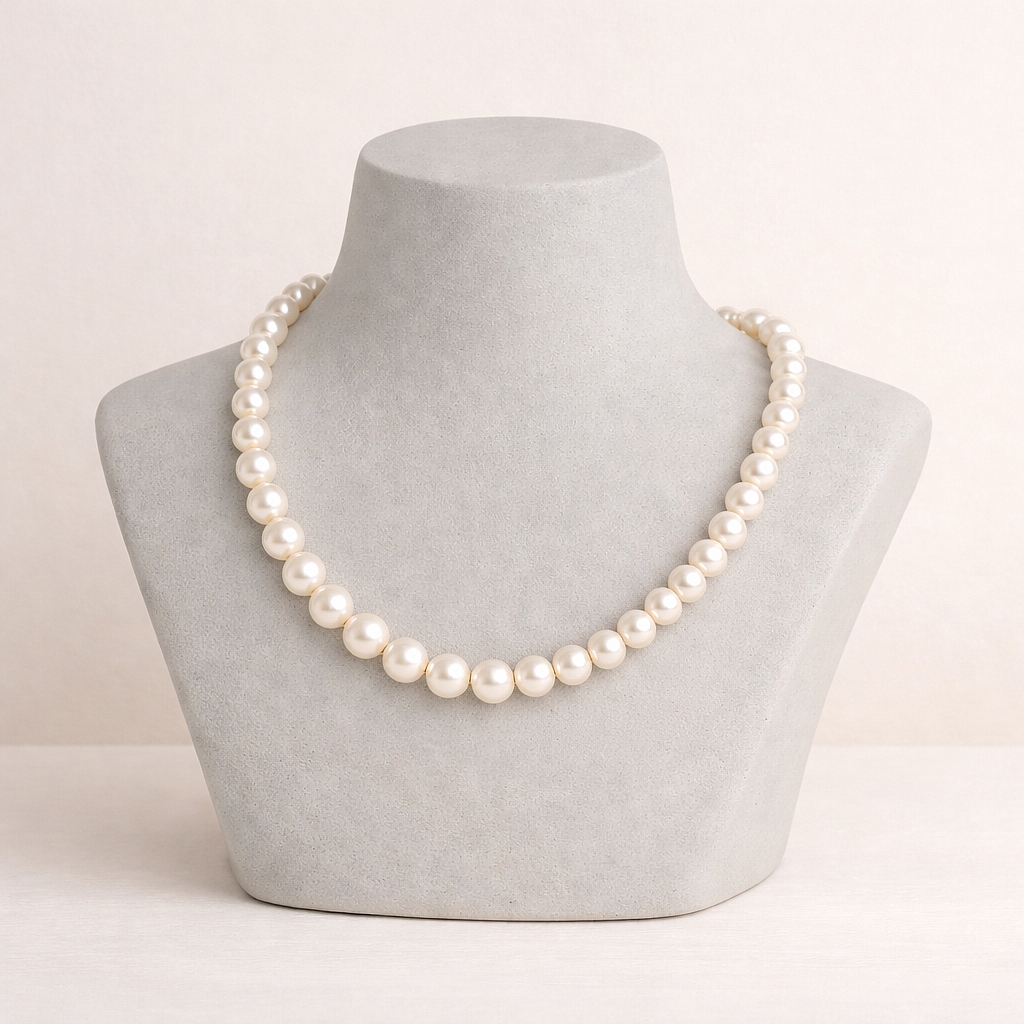
An estate piece can be:
- An antique ring from 1890.
- A vintage brooch from 1950.
- A modern engagement ring from 2015 that was sold after a divorce.
The term "estate" comes from the practice of selling items from a person's estate after they pass away. However, its use has broadened to include any second-hand jewellery.
Key Characteristics:
- No Style Definition: It doesn't tell you anything about the style or period of the piece, only its ownership history.
- Can Be Any Quality: It could be a mass-market piece or a high-end designer item.
- The Broadest Category: Encompasses both antique and vintage jewellery, plus modern pre-owned pieces.
A Simple Comparison Table
| Term | Primary Definition | Key Focus | Example Eras |
|---|---|---|---|
| Antique | Age: 100+ years old | Historical significance, craftsmanship, and age. | Victorian, Edwardian, Art Nouveau |
| Vintage | Age: 20-30+ years old | Design style and representation of a specific period. | Art Deco, Retro, Mid-Century Modern |
| Estate | Ownership: Previously owned | The fact that the item is second-hand. It does not define age. | Can be any era, including modern |
What This Means for You as a Buyer
Knowing these differences protects you and helps you find what you truly want.
- If you love history: You might specifically search for antique pieces. You'll know to look for hallmarks and old cut stones.
- If you love a specific style: You might search for vintage Art Deco or vintage Retro jewellery. This focuses your search on design, not just age.
- If you want a deal on a modern piece: Searching for estate jewellery can lead you to pre-owned modern pieces that are often sold below their original retail price.
A word of caution: Some sellers may use these terms loosely to make an item sound more special. If a seller calls a 50-year-old piece "antique," they are using the term incorrectly. This is a red flag. Always ask for the piece's approximate date or era.
Your Journey into the Past
The world of older jewellery is fascinating. Each piece is a tiny time capsule. An antique ring carries the weight of over a century of history. A vintage bracelet captures the bold spirit of the 1980s. An estate piece, whether old or new, has a story that started before it reached you.
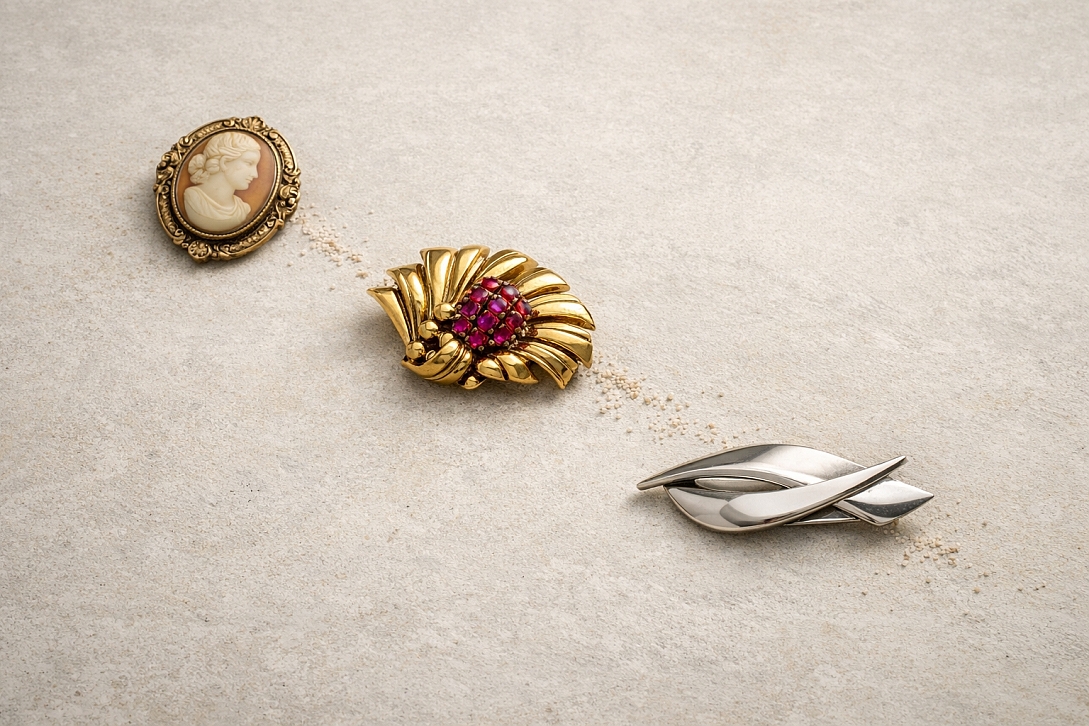
Understanding these terms gives you the language to appreciate history and make informed choices. It allows you to see beyond the sparkle and connect with the craftsmanship and story behind each piece.
Find the Story in Your Jewellery Box
Look at your own collection. Do you have a piece from a grandmother or a favourite aunt? How old is it? What era does its style represent? Now you have the knowledge to identify it.
The next time you shop, use these words to refine your search. Ask dealers and sellers, "What era is this from?" instead of just, "Is it old?" You might be surprised at the stories you uncover and the history you can hold in your hand.
Frequently Asked Questions
Is 100 years the official definition of antique? Yes. While people may sometimes use the word loosely in conversation, the formal definition used by auction houses, appraisers, and museums is an item that is 100 years old or older.
Can a new piece be called estate jewellery? Yes. If a modern piece from a few years ago has been previously owned and is now for sale, it is correctly classified as estate jewellery. The term only refers to ownership, not age.
What is the difference between vintage and retro? "Vintage" is a broad age-based category. "Retro" (or "Retro Modern") is a specific design style that falls within the vintage category, made from approximately 1935 to 1950. All Retro jewellery is vintage, but not all vintage jewellery is Retro.
Which is more valuable: antique, vintage, or estate? Value is not determined by these categories alone. A rare Art Deco vintage ring could be worth far more than a common antique pin. Value depends on age, rarity, materials, condition, designer, and desirability. Estate is not an indicator of value at all, as it includes everything.
How can I tell how old my jewellery is? A qualified jeweller or appraiser can examine the materials, craftsmanship, hallmarks, and style clues to give you an approximate era. For example, certain clasps, cuts of stones, and types of metal were used in specific periods.
LEAVE A COMMENT
Categories
Recent Posts

0.0359